Vieng Xai caves: give the history time to unfold
Vieng Xai offers a different kind of cave visit from the river passages and rock formations found elsewhere in Laos. In Houaphanh Province, the caves are closely connected with the conflict of the 1960s and 1970s, when underground spaces sheltered…
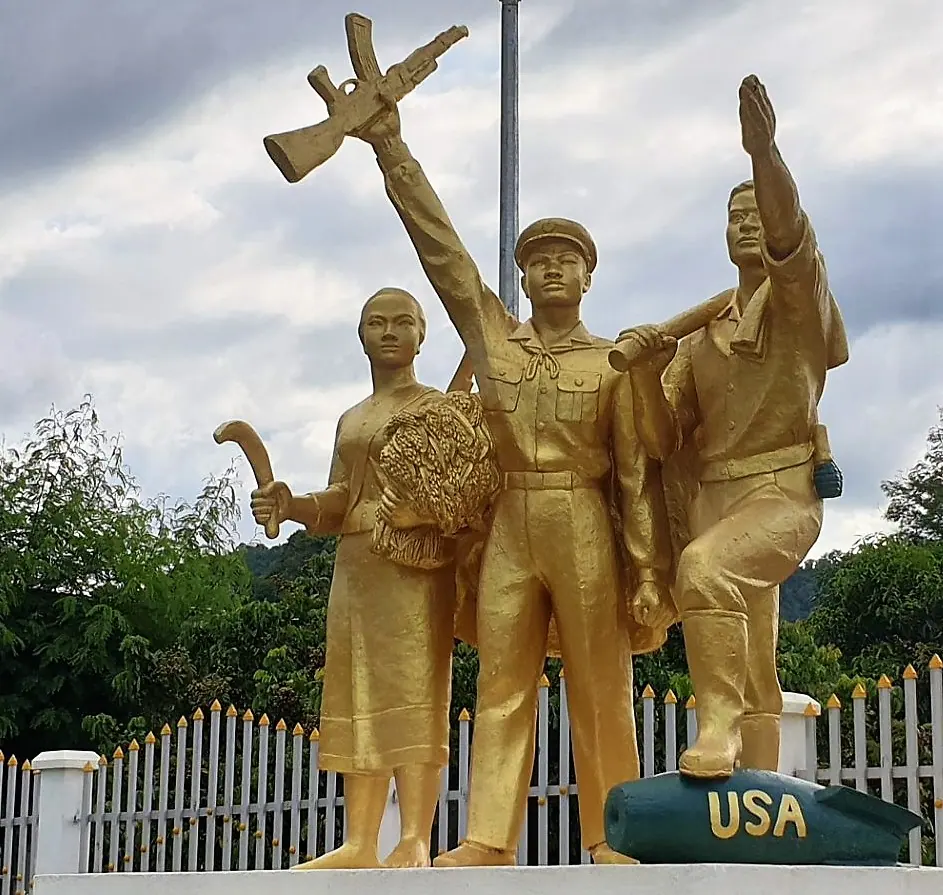
Vieng Xai offers a different kind of cave visit from the river passages and rock formations found elsewhere in Laos. In Houaphanh Province, the caves are closely connected with the conflict of the 1960s and 1970s, when underground spaces sheltered the Pathet Lao leadership and civilian life. The surrounding limestone is the setting for a human history that deserves more than a quick scenic stop.
Follow the explanation, not only the route
The value of the visit lies in understanding how the cave spaces functioned. Offices, medical facilities, schooling and daily routines had to be organised within a landscape affected by bombing. Features such as protected rooms, entrance defences and the large theatre cave make more sense when a guide or audio interpretation connects them to the people who used them.
Leave time to listen between locations. It is easy to move quickly through a cave once its main chamber has been photographed, but the physical surroundings are only part of what is being presented. Ask which buildings, objects and alterations survive from the wartime period and which belong to later interpretation.
Plan around the visit itself
Sam Neua is a nearby provincial base often paired with Vieng Xai. An older visitor account places the towns roughly thirty kilometres apart, but current transport and tour arrangements should determine the day's schedule. Some cave locations are separated by distances for which transport is useful.
Confirm the meeting place, departure time, available language and expected duration directly before travelling. A historical report of a morning or afternoon tour is not a current timetable. Avoid pairing the experience with an onward connection that leaves little room for a delayed start.
Keep a thoughtful pace
Comfortable footwear, water and an extra layer for shaded spaces help make a long interpretive visit easier. More importantly, approach the caves as places associated with wartime survival. A quiet pause after the tour can be as valuable as another stop on the map.


Join the discussion
Be the first to share a thoughtful comment.