Around Ban Nahin: a waterfall walk in Khammouane
Ban Nahin, on Route 8 in central Laos, can be more than a pause on the way to a better-known cave. Waterfalls around the village offer a reason to put time aside for a forest walk. The attraction is the changing relationship between the path, the…
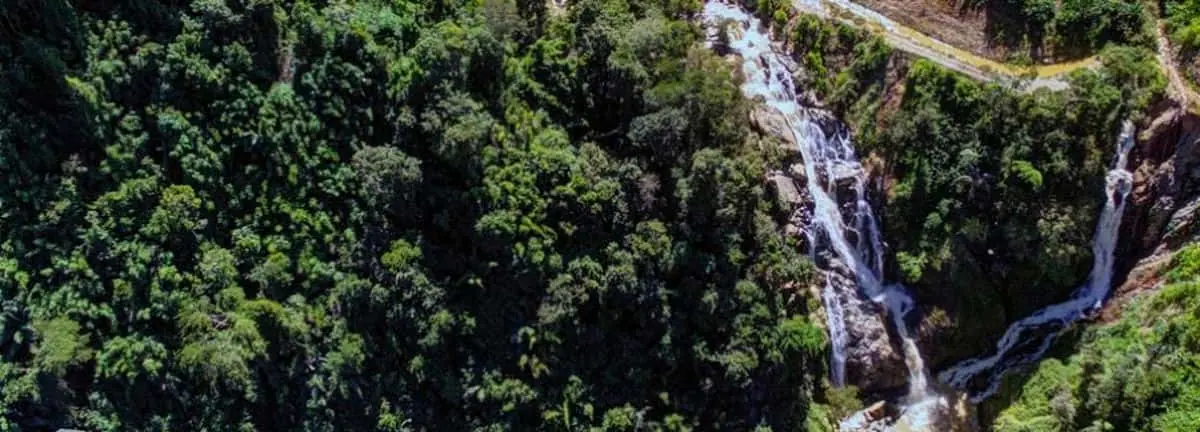
Ban Nahin, on Route 8 in central Laos, can be more than a pause on the way to a better-known cave. Waterfalls around the village offer a reason to put time aside for a forest walk. The attraction is the changing relationship between the path, the stream and the limestone landscape, rather than a single roadside viewpoint.
Two names to discuss locally
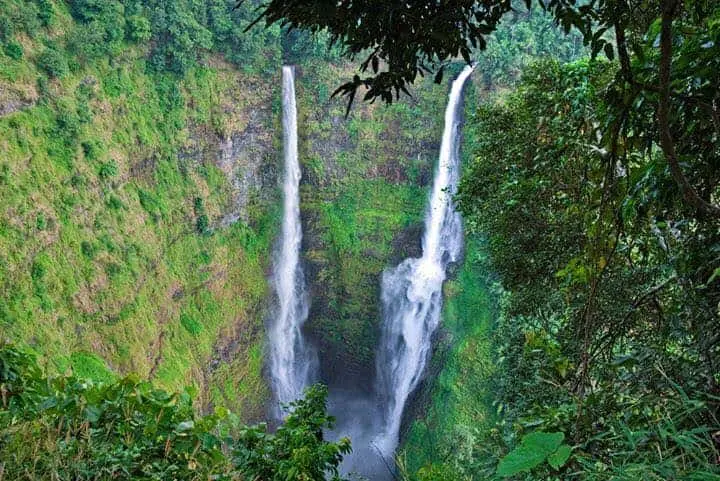
The local destination source describes Tad Mouang as a cascade following a series of rock steps beside old forest paths. Wild mango trees are associated with the route. Tad Nam Sanam is described as a pair of falls below Phou Phaman, reached along a forested tributary and viewed from a lookout.
These descriptions are useful starting points for planning, but names and trail connections can be confusing when translated onto a map. Ask your accommodation or a local guide which trail is currently maintained, where it begins and whether the waterfall you have in mind is reached by that route. Clarify the return walk as well as the outward distance.
Let conditions choose the outing
A short forest route can demand more care than its kilometre count suggests. Wet rock, exposed roots and changes in stream flow affect both footing and access. Pick a turnback time that leaves daylight for the return, and carry what you need for the whole walk instead of expecting facilities along the path.
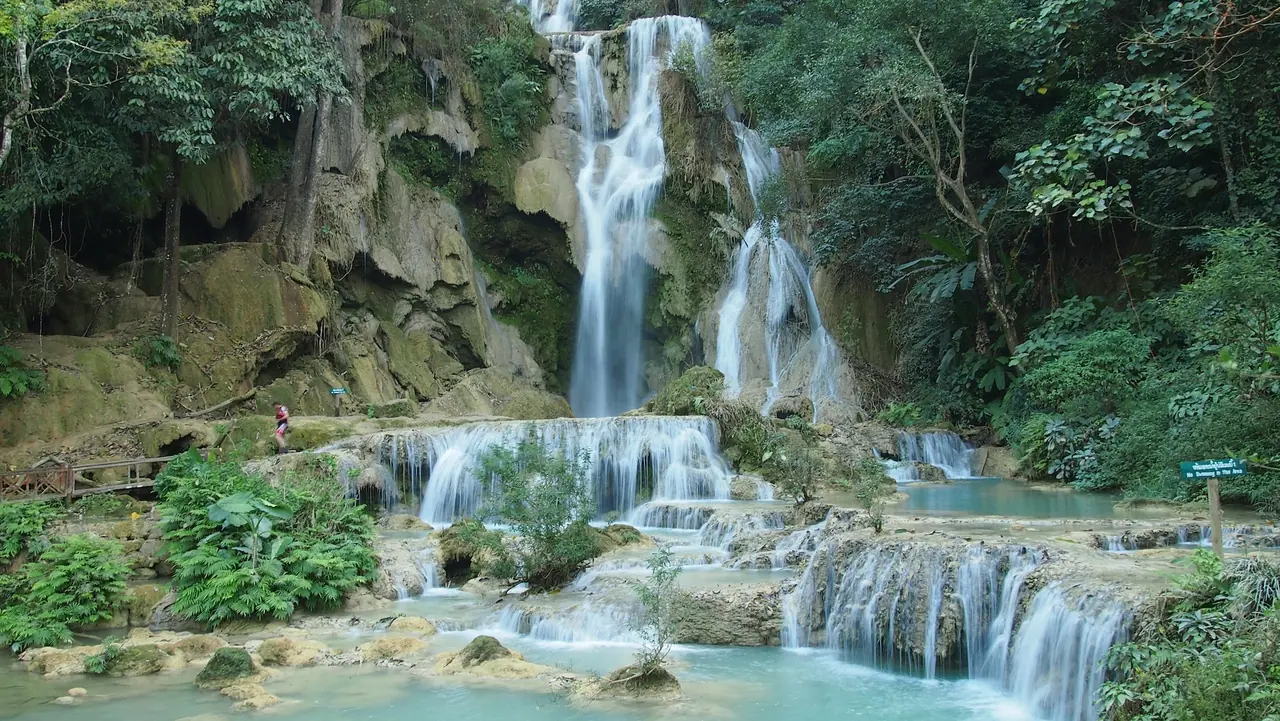
Viewing a waterfall and entering the water are separate decisions. Use the managed viewing areas and follow current local advice about access. A calm pool in a travel photograph says little about conditions on a different day.
Give the stop its own place in the itinerary
For travellers on a wider Khammouane journey, an overnight near the route can allow a relaxed morning walk. Trying to add the same outing at the end of a long transfer removes the flexibility that makes a forest visit enjoyable. Choose one well-understood path, walk it attentively and leave the other falls for another occasion if time or weather changes.
Join the discussion
Be the first to share a thoughtful comment.